
Back to normal at Glasgow Central: easing the tension of the post-fire commute
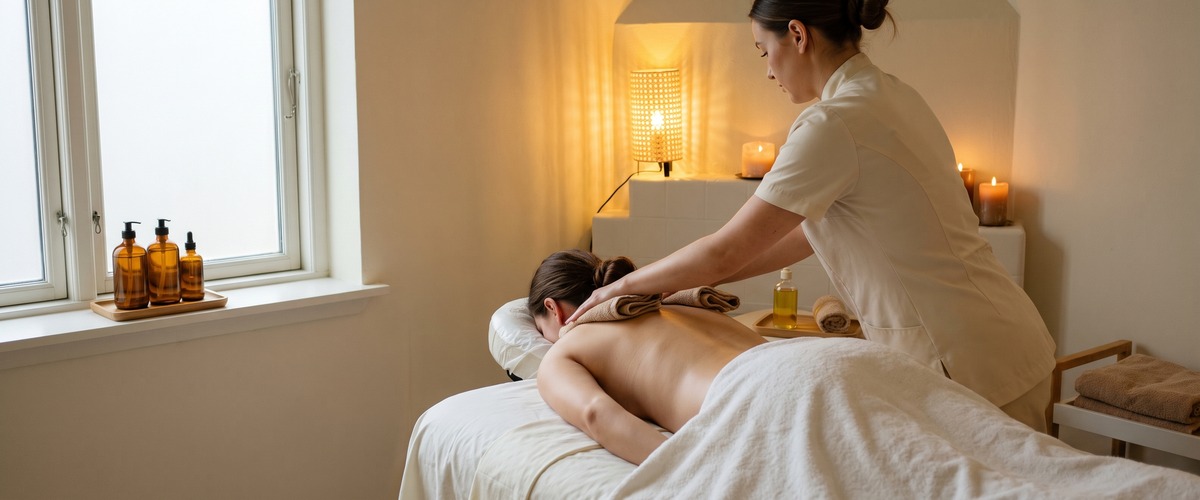
Why the Glasgow Central commute is still leaving shoulders and jaws tight
Glasgow Central Station reopened fully in March 2026, but for anyone whose Glasgow Central commute involved weeks of rerouted journeys, replacement buses and shifting platforms, the tension built up in that time hasn’t reopened along with it. At Serendipity Massage Therapy & Wellness, based at Central Chambers on Hope Street, close enough to the station that the disruption played out on our own doorstep, we’ve spent the months since watching that tension show up on the treatment table.
Tight shoulders. Necks that won’t quite unlock. Jaws clenched from weeks of not knowing which platform, or which replacement bus, the day would bring. The trains run on time now. The bodies that got them through March haven’t caught up yet.
What months of commuter stress do to your body
A single delayed train is an inconvenience. A stretch of unpredictable ones, night after night for over two weeks, is something your nervous system treats differently. Sustained, low-level commuter stress keeps the muscles around your neck and shoulders braced even when you’re not consciously worried about missing a connection, and the longer it runs, the more the pattern sets in.
According to the National Center for Complementary and Integrative Health, massage therapy has been shown to reduce pain, anxiety and muscular tension in people coping with sustained physical strain, which is exactly the pattern a disrupted commute creates. Serendipity Massage Therapy sees this often in clients who work around Blythswood Square and St Vincent Street: the practical problem resolves, but the muscles don’t get the memo.
If your shoulders have felt different since the spring, it’s worth dealing with directly rather than waiting for it to fade. You can book a session online before the pattern becomes your new normal.
The Union Street fire and a routine that never quite reset
The fire that shut Central Station broke out in a vape shop inside Union Corner, the five-storey Victorian building on the corner of Union Street and Gordon Street directly attached to the station, on 8 March 2026. Firefighters battled it through the night, and most of the building, which dated to 1851, collapsed, leaving only the facade standing. The station itself fully reopened by late March, but Glasgow commuters spent over two weeks navigating replacement buses, longer changes and platforms that shifted from one day to the next.
That kind of prolonged, low-grade unpredictability settles into the body differently to a one-off shock, which tends to fade within a day or two. Five months on, we’re still treating clients whose necks and shoulders are holding onto a routine that stopped being necessary back in March, and that’s the pattern this post-fire commute has left behind for a lot of people working near the station.
Jaw clenching is the tension people miss

Jaw tension, tightness in the muscles around the temporomandibular joint that controls chewing and clenching, is one of the symptoms clients are least likely to connect to their commute. Jariya Malone, Serendipity’s head therapist, sees it constantly. “I often see clients tense up the moment they lie down, shoulders up around their ears, jaw clenched,” she says. “By the end of the session, when they realise their body has been holding tension they didn’t even know was there, something shifts.”
A Traditional Thai Massage session, which combines acupressure with assisted stretching along the body’s sen lines, works directly into that pattern across the neck, jaw and upper shoulders rather than skimming over it. It’s one of the treatments Serendipity Massage Therapy uses most often with clients who’ve spent months holding tension somewhere they weren’t tracking.
How to ease Glasgow Central commute tension before it settles in for good
The fix doesn’t need to be complicated. A regular Thai Oil Massage, which pairs therapeutic oils with flowing strokes and targeted pressure, is often enough to reset shoulder and neck tension built up over a stressful stretch of weeks. For clients who’d rather start gently, Swedish massage, classic flowing strokes aimed at general relaxation, does much the same job without the deeper pressure.
What matters more than the specific treatment is consistency. A single session gives real relief, but tension that built up over months, the way the post-fire commute built it, usually needs a few sessions close together before it actually shifts, then regular visits to stop it rebuilding.
Being based at Central Chambers on Hope Street means the studio is a short walk from the station for anyone whose journey still routes through Glasgow Central, so a session can slot in either side of a commute rather than needing a special trip across town. Browse our full range of treatments or book your appointment online whenever it suits.
The trains at Glasgow Central are running exactly as they did before the fire. Bodies don’t reset on a timetable, and five months of tight shoulders, clenched jaws and braced necks don’t undo themselves just because the disruption is over. If that sounds like your commute since March, it’s worth treating as what it actually is, not a minor ache to push through, but tension your body has been carrying since the platforms were still in chaos, and the sooner it’s addressed the less work it takes to shift.
Found this useful? Add serendipitymassage.co.uk as a preferred source on Google so our latest guides show up first for you in Search and AI Overviews.